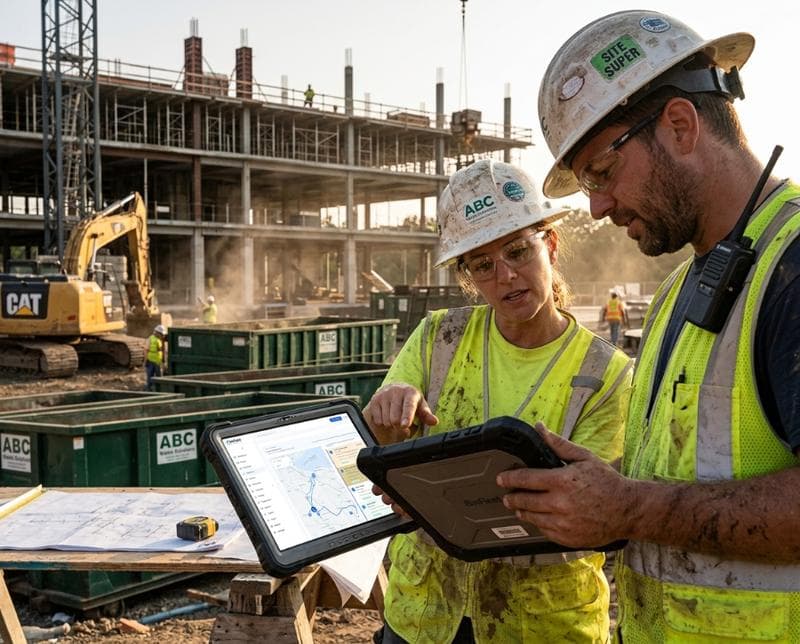
How to Scale Your Dumpster Rental Business from One Truck to a Multi-Truck Operation
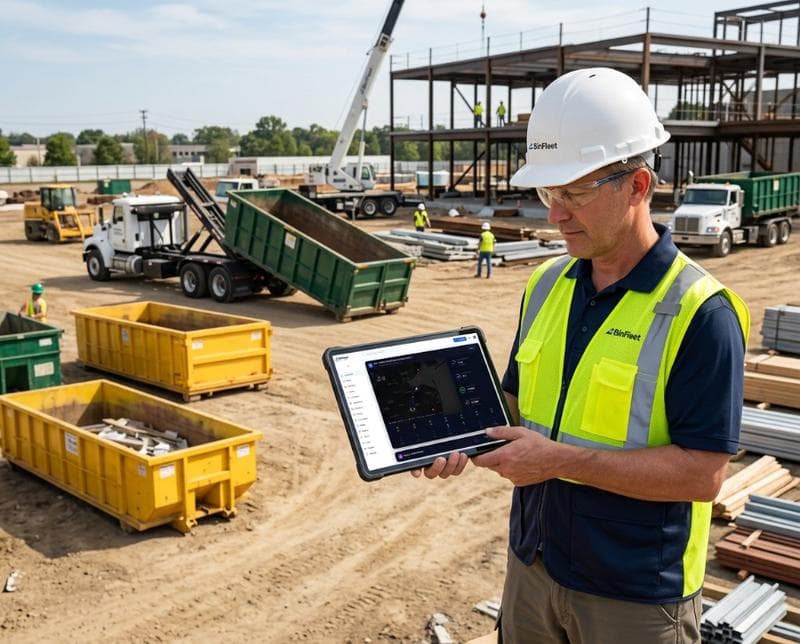
Building a successful dumpster rental business starts with one truck and a vision, but scaling to multiple trucks requires deliberate strategy and operational discipline. Many operators struggle to maintain profitability and service quality as they grow, often because they lack the systems needed to manage increased complexity. The difference between businesses that scale successfully and those that plateau lies in how well they prepare for growth before it happens.
In 2026, the waste management industry continues to consolidate, creating opportunities for well-positioned regional operators to capture market share from both national companies and smaller competitors. However, growth without proper foundation leads to operational chaos, customer complaints, and eroded margins. This comprehensive guide outlines the proven path from single-truck startup to profitable multi-truck operation.
Build Financial Foundation Before Expanding
Scaling requires capital, and the most sustainable growth comes from reinvesting profits rather than taking on excessive debt. Before adding your second truck, establish clear financial metrics including average revenue per container, cost per delivery, and monthly recurring revenue from regular commercial accounts. Track these numbers religiously because they become your growth compass as you expand. Many operators make the mistake of focusing solely on gross revenue while ignoring unit economics, leading to unprofitable growth that eventually strangles the business.
Create a cash reserve equal to at least three months of operating expenses before purchasing additional equipment. This buffer protects you during seasonal fluctuations and unexpected repairs while providing confidence to invest in growth opportunities. Consider leasing options for trucks and containers to preserve working capital, especially in your first few years of expansion. Smart financing decisions during early growth phases create flexibility that pays dividends as you scale further.
Systematize Operations for Consistent Service
Operational chaos kills growth faster than any external competitor. As you add trucks and drivers, standardize every process from initial customer contact through final payment collection. Document routing procedures, delivery protocols, customer communication standards, and equipment maintenance schedules. Without these systems, each new hire becomes a potential point of failure, and service quality becomes unpredictable across your operation.
Invest in dispatch and routing technology that scales with your business rather than trying to manage everything through spreadsheets and phone calls. Modern fleet management software handles order management, automatic route optimization, and real-time customer communication, reducing the administrative burden that typically overwhelms growing operations. Technology investments pay for themselves through improved efficiency and reduced labor costs as you scale beyond three or four trucks.
Hire and Train the Right Team
Your success depends entirely on finding reliable drivers who understand that they represent your business with every customer interaction. Start building your hiring pipeline before you need additional drivers, maintaining relationships with potential candidates through local trucking schools and industry connections. Develop a structured onboarding process that covers safety protocols, customer service standards, and your specific operational procedures. Good drivers command higher wages, but the cost of constant turnover far exceeds paying competitive salaries to retain quality team members.
Create clear advancement opportunities within your organization to retain ambitious employees who might otherwise leave for larger companies. Consider promoting your best drivers to dispatch or supervisory roles as you grow, giving them ownership over specific routes or customer accounts. Building internal talent reduces recruitment costs and ensures that key positions are filled by people who understand your business culture and operational standards.
Leverage Technology for Efficiency Gains
Technology transforms labor-intensive administrative tasks into automated processes that scale effortlessly with your business growth. Route optimization software reduces fuel costs and improves driver productivity, while automated customer communication eliminates countless phone calls about delivery schedules and pickup confirmations. GPS tracking provides accountability for your drivers and peace of mind for customers who want real-time updates about their service.
Integrated business management platforms handle everything from initial quotes through final invoicing, eliminating the data entry and coordination headaches that consume valuable time in growing operations. Digital transformation in waste management isn't just about efficiency—it's about creating the operational foundation that supports sustainable growth. The right technology stack positions your business to compete effectively against both larger and smaller competitors in your market.
Develop Strategic Growth Markets
Geographic expansion requires careful market analysis to ensure sufficient demand density for profitable operations. Focus on markets where you can achieve at least twenty regular customers within a five-mile radius, providing the foundation for efficient routing and consistent revenue. Research local competitors, pricing strategies, and regulatory requirements before entering new territories. Many scaling attempts fail because operators spread too thin across markets that can't support dedicated routes.
Target commercial accounts that provide recurring revenue streams, reducing the marketing costs associated with constantly acquiring new residential customers. Construction companies, retail locations, and property management firms offer predictable monthly revenue that smooths out seasonal fluctuations in residential demand. Building a base of regular commercial accounts creates the cash flow stability needed to weather economic downturns and fund continued expansion.
Monitor Performance and Adjust Strategy
Successful scaling requires constant attention to key performance indicators that reveal whether your growth strategy is working. Track metrics like revenue per truck, average customer lifetime value, route density, and driver productivity. These numbers tell you whether additional trucks are generating proportional increases in profitability or simply adding operational complexity without financial benefit. Monthly financial reviews should compare actual performance against projected growth targets, with immediate adjustments when numbers fall short of expectations.
Maintain flexibility in your expansion timeline based on market conditions and internal performance metrics. Sometimes the best growth strategy involves consolidating gains and optimizing current operations before adding additional capacity. The goal is sustainable growth that strengthens your market position rather than rapid expansion that compromises service quality or financial stability. Regular performance reviews keep you focused on profitable growth rather than growth for its own sake.
Frequently Asked Questions
How many containers should I have per truck when scaling?
A good starting ratio is 4-5 containers per truck, but this varies based on your market and service model. Construction-heavy markets may require more containers due to longer placement periods, while residential cleanouts allow for faster turnover. Monitor your container utilization rates and adjust inventory as you identify patterns in customer demand.
What's the minimum market size needed to support a second truck?
You need enough regular customers to generate at least 60-80 deliveries per month to justify a dedicated truck and driver. This typically requires a market with strong construction activity or a dense residential base within a reasonable service area. Consider seasonal fluctuations and ensure you have enough base demand during slower periods.
Should I lease or buy trucks when scaling?
Leasing preserves working capital and provides flexibility during early growth phases, while purchasing builds equity but requires larger upfront investments. Consider your cash position, growth timeline, and local lease terms. Many successful operators start with leasing and transition to ownership as their financial position strengthens.
How do I maintain service quality while growing quickly?
Standardize all operational procedures and invest in training programs for new hires. Use technology to maintain communication standards and ensure consistent service delivery across all trucks and drivers. Regular customer feedback surveys help identify service issues before they impact your reputation in the market.
Ready to scale your dumpster rental business with confidence? Schedule a demo to see how BinFleet's comprehensive platform supports growing operations with automated dispatch, route optimization, and integrated business management tools designed specifically for waste haulers.
Ready to Streamline Your Operation?
See how BinFleet AI helps waste haulers save time, cut costs, and grow.
Request a Free 30-Day TrialRelated Articles
How to Scale a Dumpster Rental Business from One Truck to Multi-Yard Operations
How to Scale Your Dumpster Rental Business: A Step-by-Step Growth Plan